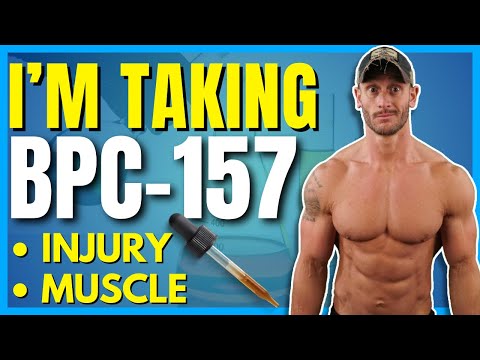
Peptide Doctor Shares Fat Loss & Muscle Gain Secrets with Gene Therapy
A guest explains a plasmid gene therapy meant to raise follistatin for muscle and fat loss, then moves on to inflammation testing, the vagus nerve and gut transplants.
With Dr. Khan
Key moments
Tap a moment to play the video from there.
- 0:00Follistatin and the myostatin ideaDr. Khan introduces follistatin as a bioidentical peptide hormone that he says inhibits myostatin, and explains why bodybuilders once injected it and why its short half-life was a problem.
- 2:00Plasmids and gene silencingHe describes how a plasmid carries instructions to cells, why cells normally shut it off within days, and says Minicircle's version stays active for a year or more.
- 4:41Why myostatin limits muscle growthThe guest says myostatin is a feedback mechanism that protects tendons and bones and may limit cancer risk. They discuss whether tendons can keep up, including an arm wrestler's experience.
- 6:56Follistatin and fat lossKhan says follistatin reduces systemic inflammation, which he links to better mitochondrial function, and mentions preclinical evidence for browning of white fat.
- 7:46Measuring inflammation beyond CRPHe describes specialized cytokine panels and an epigenetic inflammation measure from Generation Lab as more nuanced than a single CRP reading.
- 13:02Vagus nerve and stress injectionsKhan explains his view of the vagus nerve and sympathetic chain, and describes injecting exosomes and peptides around the nerve, plus peptide-added stellate ganglion blocks.
- 15:24The gut talks to every organThe guest says the gut communicates with the brain, pancreas and even spinal discs, and DeLauer shares his own parasite and back injury experience.
- 17:13Endotoxins and the gut-disc linkKhan describes bacterial lipopolysaccharides crossing a leaky gut and creating inflammatory signals, and calls gut dysbiosis a hallmark of aging.
- 18:54Fecal microbial transplant plansHe argues for fecal transplants, cites a strain found in Olympic medalists, and describes planned freeze-dried capsules aimed at repopulating the gut.
What the video says
Thomas DeLauer interviews Dr. Khan, who describes a clinic approach built around follistatin, a peptide hormone that he says inhibits myostatin, the body's brake on muscle growth. According to the guest, follistatin has been studied for over two decades and bodybuilders once injected it, but its short half-life of a couple of hours made that impractical.
His answer is a plasmid gene therapy that he says gets cells to express the follistatin gene for one to two years from a single injection. He explains that ordinary plasmids are switched off by the cell within days, and says a company he works with, Minicircle, has made versions that stay active far longer. On safety, he says the worry about tendons and bones failing to keep up is common, and he cites a professional arm wrestler who chose to take the treatment and reported more strength and energy. For fat loss, he says follistatin lowers systemic inflammation, which he believes helps mitochondrial function, and that preclinical work suggests it may help convert white fat toward brown fat.
The conversation then widens. The two discuss how to measure inflammation beyond CRP, including specialized cytokine panels and an epigenetic test from Generation Lab. Khan names stress resilience as the trait he sees most in healthy people, and describes injecting exosomes and peptides around the vagus nerve and using stellate ganglion blocks with added peptides to rebalance the nervous system.
The last third covers the gut. Khan links gut permeability and bacterial endotoxins to inflammation, including in spinal discs, and promotes fecal microbial transplant, which his group plans to offer as freeze-dried capsules. A short sponsored read for a mitophagy supplement appears near the start. All claims come from the guest, who has a commercial stake in the treatments discussed.
On each compound
Follistatin-3440:30
Dr. Khan describes follistatin as a bioidentical peptide hormone that inhibits myostatin. He discusses it as a plasmid gene therapy for one to two years of expression, not as a repeated injectable, and says it lowers inflammation.
See how your DNA reads Follistatin-344What this video doesn’t settle
- No trial data, effect sizes or safety results for the follistatin gene therapy are shown, only the guest's statements and one arm wrestler's account.
- Whether more muscle from reduced myostatin could strain tendons and bones is raised, but the answer rests on an anecdote and an acknowledged preclinical concern.
- Khan works with Minicircle and is developing fecal transplant products, and the host reads a sponsor message, so the claims are not independently checked.
Questions this video answers
How does follistatin gene therapy work according to Dr. Khan?
Khan says a plasmid is injected so that cells produce follistatin, which opposes myostatin, for one to two years from a single dose. He says Minicircle's technology keeps the plasmid from being silenced within days.
Why is myostatin a limit on muscle growth?
According to Khan, myostatin is a regulatory feedback loop that prevents uncontrolled growth that could stress tendons and bones. He also suggests constant anabolic signaling could raise cancer risk.
Does follistatin help with fat loss, according to this video?
Khan says it indirectly raises metabolic rate through muscle and that it lowers systemic inflammation, which he links to better mitochondrial function. He adds that preclinical studies suggest it may promote browning of white fat.
How can you measure inflammation besides CRP?
Khan mentions specialized lab panels measuring cytokines such as IL-6 and TNF alpha, which he says few labs offer. He also describes Generation Lab's test, which he says reads inflammation through methylation.
What does Dr. Khan say about fecal microbial transplant?
He says it repopulates the gut more durably than probiotics and is hard to access in the US. His group plans freeze-dried capsules, including future versions based on strains found in elite athletes.
Video by Thomas DeLauer on YouTube, embedded as published. The summary is written by PeptidesDNA from the video; every claim in it is the speaker’s. Not affiliated with or endorsed by the creator. Not medical advice.