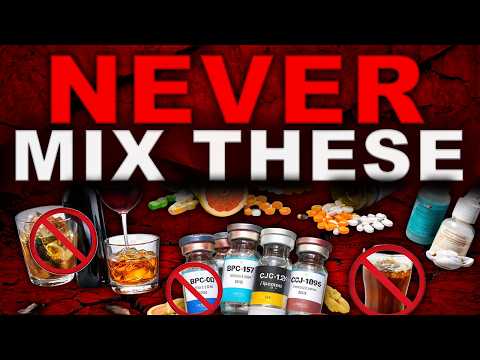
17 GLP-1 Tips I Wish I Knew Before Starting My Journey
A coach at a GLP-1 telemedicine clinic lists 17 practical tips for people on semaglutide or tirzepatide, covering setup, side effects, dosing, muscle and maintenance.
With Dr. Jones, DC (DC)
Key moments
Tap a moment to play the video from there.
- 0:53Pull baseline labs firstDr. Jones recommends a metabolic panel, A1C, thyroid, fasting insulin and lipids before starting, and says it is not too late if already on the medication.
- 2:10Stock up before day oneHe says to have electrolytes, magnesium glycinate and a nausea option at home, and to lock in a protein target before the first injection.
- 3:40Dose philosophy and titrationHe says the package titration schedule is a population-level starting point and that the goal is the lowest dose that controls appetite.
- 4:42Sulfur burps and trigger foodsHe lists eggs, garlic, onions, cruciferous vegetables, sugar alcohols and drinking through straws as common triggers, and mentions Pepto-Bismol before meals.
- 6:34Magnesium forms for constipationHe says magnesium oxide absorbs poorly and can cause cramping, and that glycinate tends to be gentler, with citrate as a short-term option.
- 8:02Site rotation and contraceptive timingHe describes lipohypertrophy from repeated injections and says tirzepatide can reduce oral contraceptive absorption for up to 4 weeks.
- 9:09The first 90 days foundationHe argues the first 90 days are the best window to build protein, training, sleep and food habits while appetite is suppressed.
- 11:01Lowest effective dose strategyHe says to raise the dose only when appetite returns hard, and that staying conservative leaves room to adjust if a plateau hits.
- 13:25The GLP-1 crashHe says eating too little can slow metabolism and stall weight loss, and advises setting a calorie floor and eating on a schedule.
- 15:40Maintenance and microdosingHe compares the drug to training wheels, says most people may not wean off, and mentions a microdosing maintenance approach he may cover later.
What the video says
Dr. Jones, DC, who says he leads the coaching department at a nationwide GLP-1 telemedicine clinic, walks through 17 things he wishes he had known before his first shot. The video is general GLP-1 coaching advice rather than a discussion of research, and it ends with repeated invitations to the clinic's free discovery calls and coaching program.
The early tips are about preparation. He recommends pulling baseline labs (metabolic panel, hemoglobin A1C, thyroid, fasting insulin, lipids), stocking electrolytes and something for nausea, and setting a protein target before the first injection. He also suggests picking an injection day that leaves the following day light. He then says several complaints people blame on the drug have other causes. He ties the day-after-shot headache to lower electrolyte intake, sulfur burps to a list of trigger foods, and injection stinging to a pen that was not warmed up. He compares magnesium forms for constipation and says alcohol may feel blunted at first because of slower gastric emptying.
On injection technique, he says repeated use of the same spot can cause fatty tissue buildup that may reduce absorption, and he recommends rotating sites. He also says tirzepatide has a documented interaction that can reduce oral contraceptive absorption for up to 4 weeks after starting or a dose increase, while semaglutide does not, and he advises women to ask their prescriber about a backup method.
The second half is his philosophy. He argues the first 90 days are a foundation window for building protein, resistance training, sleep and eating habits while appetite is quieted. He favors the lowest effective dose rather than climbing the package titration schedule, and he warns that eating far too little can slow metabolism and stall the scale, which he calls the GLP-1 crash. He also says plateaus are common, urges 2 to 3 resistance sessions a week to protect muscle, and says he now leans toward a plan for maintenance, including what he calls microdosing, rather than coming off the drug.
On each compound
Tirzepatide8:38
Dr. Jones says tirzepatide has a documented interaction with oral contraceptives that can reduce their absorption for up to 4 weeks after starting or a dose increase. He advises women to ask their prescribing provider about a backup option.
See how your DNA reads TirzepatideSemaglutide8:38
In the same segment, Dr. Jones says semaglutide does not have the oral contraceptive interaction he describes for tirzepatide.
See how your DNA reads Semaglutide“Eat by the clock, not by the signal.”
What this video doesn’t settle
- The advice rests on Dr. Jones's coaching experience with his clinic's patients, with no data, studies or control group presented.
- The claim that a lower, conservative dose gives better long-term results is stated as his philosophy and is not backed by evidence in the video.
- He does not give specific doses, calorie floors or protein targets, and says to take medical questions to a prescribing provider.
Questions this video answers
What causes the headache the day after a GLP-1 shot?
Dr. Jones says it is often less about the medication and more about low sodium, potassium and magnesium, because appetite suppression means eating less. He suggests adding electrolytes on injection day and the morning after.
Does tirzepatide affect birth control pills?
According to Dr. Jones, tirzepatide has a documented interaction that can reduce oral contraceptive absorption for up to 4 weeks after starting or after a dose increase. He says semaglutide does not, and that tirzepatide users should talk to their prescriber about backup options.
Should you go to the highest GLP-1 dose as fast as possible?
Dr. Jones says no. He calls the package titration schedule a population-level starting point and recommends the lowest dose that controls appetite, increasing only if appetite returns strongly.
What does Dr. Jones say causes sulfur burps on GLP-1s?
He says the drug slows digestion, so high-sulfur and fermentable foods sit longer in the gut. He lists eggs, garlic, onions, cruciferous vegetables, sugar alcohols and straws as triggers and suggests avoiding them or taking Pepto-Bismol before meals.
What is the GLP-1 crash?
Dr. Jones uses the term for eating far too little because hunger disappears, which he says leads to slower metabolism, a stalled scale, low energy and feeling cold. He recommends setting a calorie floor and eating by the clock.
Video by Dr. Jones, DC on YouTube, embedded as published. The summary is written by PeptidesDNA from the video; every claim in it is the speaker’s. Not affiliated with or endorsed by the creator. Not medical advice.