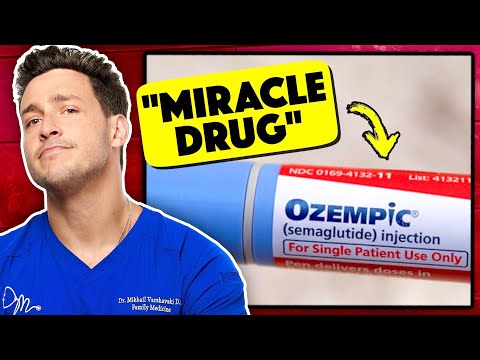
The Difficult Questions On Ozempic & Weight Loss
A physician host interviews an obesity medicine specialist about Ozempic-type weight loss drugs: who might use them, muscle loss, stopping, shortages and compounded versions.
With Dr. Rosio Salis Whalen (Triple board certified in internal medicine, endocrinology and obesity medicine)
Key moments
Tap a moment to play the video from there.
- 1:00Why the guest knows this classThe guest says she has used these drugs since 2010, first off label for weight loss. She names several related products and says newer competitors may bring prices down.
- 3:44BMI, body composition, skinny fatShe says BMI should not be the only measure and describes using body composition to catch patients with normal BMI but high body fat and low muscle.
- 9:13Obesity as a chronic diseaseShe says medicine is slow to accept obesity as a chronic disease, and that doing so removes guilt and opens the door to long-term medication.
- 17:20Should every obese patient get itAsked whether everyone classed as obese should be offered the drug, she says most would benefit, citing inflammation and possible cardiovascular benefits.
- 20:55Food industry and behavior changeShe discusses food environment and the medication's effect on appetite and reward, saying it changes how patients relate to food.
- 25:55Side effects she discussesShe lists nausea, dehydration, muscle loss and a thyroid tumor signal seen in preclinical studies, and says she has not seen pancreatitis in her patients.
- 32:26Getting off the medicationShe describes tapering to the lowest dose and spacing visits, saying muscle mass and lifestyle determine whether patients can stop.
- 38:49Why shortages happenedShe attributes the shortage to pandemic awareness, high demand, drugs that work, and casual prescribing for aesthetic reasons.
- 43:14Compounded versions and supplementsShe advises against compounded products, and both speakers warn that supplements and DIY formulas can be mislabeled or harmful.
- 51:24Advice for patientsThe guest tells patients to ask prescribers about experience, diet and muscle, and says the host and guest agree primary care must help prescribe.
What the video says
This is an interview on the Checkup podcast, not a lecture on peptide science. Host Doctor Mike talks with the guest, an endocrinologist and obesity medicine physician, about the public rush toward Ozempic and related injectable weight loss drugs. The guest says she has used this class since around 2010, first off label for weight loss in people without diabetes. She describes semaglutide-based products as the best known of several related drugs from different makers.
A large part of the talk is about how to use them. The guest argues that BMI alone misses people, and says that in her own clinic, with body composition measurements on more than 2,000 patients, she sees underdiagnosis more often than overdiagnosis. She stresses protein intake and resistance training so that weight lost is fat rather than muscle. She frames the drug as about half of the effort, with food choices and exercise as the other half, and describes obesity as a chronic condition with genetic, hormonal and environmental contributors. In her view, long-term use is reasonable, though she aims for the lowest workable dose and sometimes tapers patients off once they have built muscle and habits.
The pair also cover side effects as she describes them: nausea in most patients, dehydration, muscle loss, and a thyroid tumor warning seen in preclinical studies. She reports no pancreatitis among her patients, whom she sees every 8 weeks. She says she would not support use for a quick fix before a wedding or a photo shoot, and gives her view of the shortage, which she links to the pandemic, clinics prescribing too casually, and high demand.
Later sections warn against compounded versions and against supplements or detox style recipes marketed as alternatives. The host adds his own points about supplement contamination. The closing advice is for patients to ask prescribers about their experience and whether they discuss diet and muscle. The guest also says there are far too few obesity specialists, so primary care doctors will need to prescribe.
“the patient that knows more does better”
What this video doesn’t settle
- The guest's claims about benefits for most obese patients, cardiovascular effects and dementia or psychiatric effects are her clinical view, and no studies are cited.
- Her tapering approach comes from her own practice of about four years, with no outcome data shown on how many patients stay off the drug.
- The claim that she has seen no pancreatitis comes from her own patients and does not establish how common it is.
Questions this video answers
What does the guest say about taking Ozempic and keeping muscle?
The guest says patients should eat more protein and do resistance training so the weight they lose is fat rather than muscle. She says she focuses on muscle at each visit and that more muscle makes it easier to maintain weight.
Can you stop Ozempic once you reach your goal weight?
According to the guest, her goal is to taper each patient to the lowest dose and off if possible. She says patients who build muscle and keep lifestyle changes are more likely to manage this, but she calls the strategy still evolving.
What side effects does the guest mention for Ozempic-type drugs?
She says nausea is most common and should be tolerable, and that dehydration and muscle loss are concerns. She also mentions a thyroid tumor signal in preclinical studies, not seen in humans in her experience.
Why does the guest advise against compounded semaglutide?
She says patients cannot know what they are getting and cites reports that some compounders were not sterile and were closed. She says she understands the desperation but does not recommend it.
Does the guest think Ozempic is an easy way out?
No. She says patients need regular visits, weekly injections and higher protein intake, and that the drug is about half of the effort with food and exercise as the rest.
Video by Doctor Mike on YouTube, embedded as published. The summary is written by PeptidesDNA from the video; every claim in it is the speaker’s. Not affiliated with or endorsed by the creator. Not medical advice.