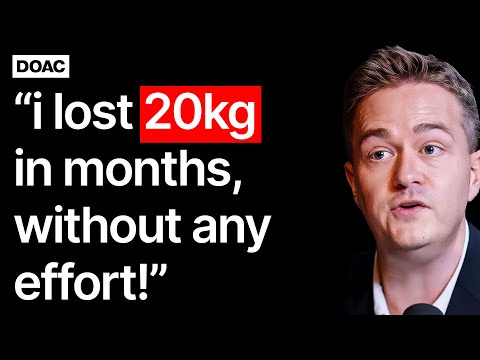
The Longevity Expert: Is There A Link Between Milk & Cancer? + Ozempic Can Really Mess You Up!
A wide-ranging Diary of a CEO interview with Mark Hyman on food, fasting and trauma, with about ten minutes on his criticisms of Ozempic and GLP-1 drugs.
With Mark Hyman (Doctor specializing in functional medicine), Stephen
Key moments
Tap a moment to play the video from there.
- 0:00Cold open and episode previewHyman previews topics including milk, Ozempic and processed food, before the interview begins.
- 24:22Hyman on milk and dairyHyman argues that the evidence for milk is weak and that modern dairy is problematic. He says goat, sheep or A2 milk may be acceptable.
- 29:49Ozempic: appeal and concernsAsked about Ozempic's popularity, Hyman says the obesity problem makes it attractive but that he sees a long list of downsides.
- 31:39What GLP-1 is and doesHyman explains GLP-1 as a pathway affecting insulin, weight and appetite, and says the drug began as a diabetes medication. He says the body can also make more GLP-1 through some foods and probiotics.
- 33:13Cost, rebound and permanenceHyman cites monthly costs of $13 to $1,700 and says weight returns when the drug stops unless lifestyle changes. He says it is not a lifestyle change program.
- 33:45Muscle loss on the drugHe says about 50% of weight lost is muscle and that people on the drug need more protein, weight training and body composition scans.
- 34:45Reported side effectsHyman cites a 450% increase in bowel obstruction and 900% in pancreatitis, and expects more consequences over time. He says the drug affects gut function and slows emptying.
- 38:50Who should and should not use itHyman objects to proposals to give it to young children. He says it can help people with severe obesity and health conditions but should not be used for a party or wedding.
- 40:53Eating windows and fastingHyman recommends 12 to 14 hours between dinner and breakfast and discusses rapamycin and metformin as options being studied for longevity.
- 1:05:22Trauma and psychedelicsHyman discusses childhood trauma, his own experience, and psychedelic therapies, comparing a psychedelic revolution to Ozempic for mental health.
What the video says
This is a general health and longevity interview, not a peptide talk. Mark Hyman, a functional medicine doctor, spends most of it on ultra-processed food, milk, fasting, blue zones, loneliness, trauma, psychedelics and his company Function Health. The peptide-relevant part is a stretch beginning around 29:49, where host Stephen asks about Ozempic.
Hyman describes Ozempic as a once-weekly injection that acts on the GLP-1 pathway, which he says regulates insulin, weight and appetite. He says it began as a diabetes drug and weight loss was a side effect. He grants that it works and that some people with severe obesity may need it, but he argues it is no substitute for changing food, lifestyle and environment. His listed downsides are cost, the need to stay on it indefinitely, weight regain after stopping, and loss of muscle. He says about 50% of the weight lost is muscle, and he advises more protein, weight training and body-composition tracking for anyone taking it.
Hyman also cites increases of 450% in bowel obstruction and 900% in pancreatitis, and says he expects more problems to appear over time. He objects to the idea of giving the drug to young children or to people who want to lose a few pounds for an event. Stephen mostly asks questions and notes that prices may fall as competitors arrive. Hyman says insurers rarely pay for it outside diabetes.
The rest of the episode covers Hyman's recovery from a collapse in his own health, an 18-month food-and-family transformation story from a visit to a food desert, his views on dairy, eating windows of 12 to 14 hours, rapamycin and metformin as discussed longevity options, community and purpose, his account of childhood trauma, and his stated biological age of 43. He also describes Function Health's blood testing service, which is an extended product pitch. Everything here is Hyman's opinion and his own reading of the evidence, given in conversation without sources shown on screen.
On each compound
Semaglutide29:49
Hyman discusses Ozempic, the brand name for semaglutide, as a weekly GLP-1 pathway injection. He says it works and may suit some people with severe obesity, but that it causes muscle loss, weight regain on stopping, and what he describes as serious side effects such as bowel obstruction and pancreatitis. He argues it does not address the causes of obesity.
See how your DNA reads Semaglutide“it's a pharmacological appetite straight jacket”
What this video doesn’t settle
- The side effect figures (450% for bowel obstruction, 900% for pancreatitis) are stated without naming a study, population or comparison group.
- Hyman's claim that about 50% of lost weight is muscle is given as a general figure, with no source or context about dose or duration.
- Only Hyman's view is presented; no one in the conversation represents the case for GLP-1 drugs beyond brief host remarks.
Questions this video answers
What does Mark Hyman say about Ozempic side effects?
Hyman says the drug can cause nausea and vomiting, and that longer-term problems are emerging. He cites a 450% increase in bowel obstruction, a 900% increase in pancreatitis, and kidney issues. He attributes this to the drug's effect on gut function.
Does Ozempic cause muscle loss according to this video?
Hyman says about 50% of the weight lost on the drug is muscle. He says people taking it should increase protein, lift weights and track body composition, for example with scans.
What happens when you stop Ozempic, according to Hyman?
Hyman says the weight comes back unless a person rigorously changes their lifestyle. He describes the drug as something taken forever and as a pharmacological appetite restraint rather than a behavior change program.
Does Hyman think anyone should take Ozempic?
He says it can be a helpful aid for people who are severely obese or have serious health conditions, particularly if they want to avoid gastric bypass. He says it should not be given to everyone who wants to look good for an event.
What is GLP-1 according to this interview?
Hyman describes GLP-1, or glucagon-like peptide one, as a pathway that regulates insulin, weight and appetite. He says the body makes it naturally and that certain foods, probiotics and ways of eating can raise it.
Video by The Diary Of A CEO on YouTube, embedded as published. The summary is written by PeptidesDNA from the video; every claim in it is the speaker’s. Not affiliated with or endorsed by the creator. Not medical advice.